

No products added!
By
Jdass
October 4, 2025
No Comments
Perfume is not just a pleasant scent, it is an art that connects emotions, memories, and beauty into one bottle. From ancient times to modern luxury brands, perfumery has always been about creating an experience. But how is a fragrance actually made? The journey of a perfume is magical, starting with an idea and ending in the bottle you hold.
Inspiration Behind a Fragrance
Every fragrance begins with inspiration. A perfumer, also called a ‘nose,’ takes ideas from nature, emotions, seasons, or even stories. A perfume may be designed to remind you of fresh flowers in spring, the calmness of the sea, or the warmth of exotic spices. This is where creativity begins, and it sets the mood for the entire fragrance.
The Role of Notes
Perfumes are built in layers, often described as notes:
- Top Notes – The first impression of a perfume, light and refreshing like citrus or herbs.
- Middle Notes (Heart) – The main character of the fragrance, often floral, fruity, or spicy.
- Base Notes – The long-lasting foundation, usually woody, musky, or warm like vanilla and oud.
These notes work together, unfolding over time to create the unique personality of the perfume.
Ingredients of Perfumery
Perfumes are made using both natural and synthetic ingredients. Natural ingredients come from flowers, woods, fruits, and resins, while synthetic molecules allow perfumers to create unique scents that do not exist in nature. Synthetics also make perfumery more sustainable by reducing the use of rare or endangered materials.
The Blending Process
The real art lies in blending. Just like a chef mixes spices to create a dish, a perfumer mixes ingredients in different ratios to create harmony. Even a tiny change can transform the scent completely. It can take months or even years for a perfumer to perfect one fragrance.
Making a Perfume Last
A good perfume does not disappear too quickly. To make it long-lasting, perfumers add fixatives. These are ingredients that hold the fragrance on the skin for hours. Base notes like sandalwood, amber, or synthetic fixatives help balance freshness with staying power.
From Lab to Bottle
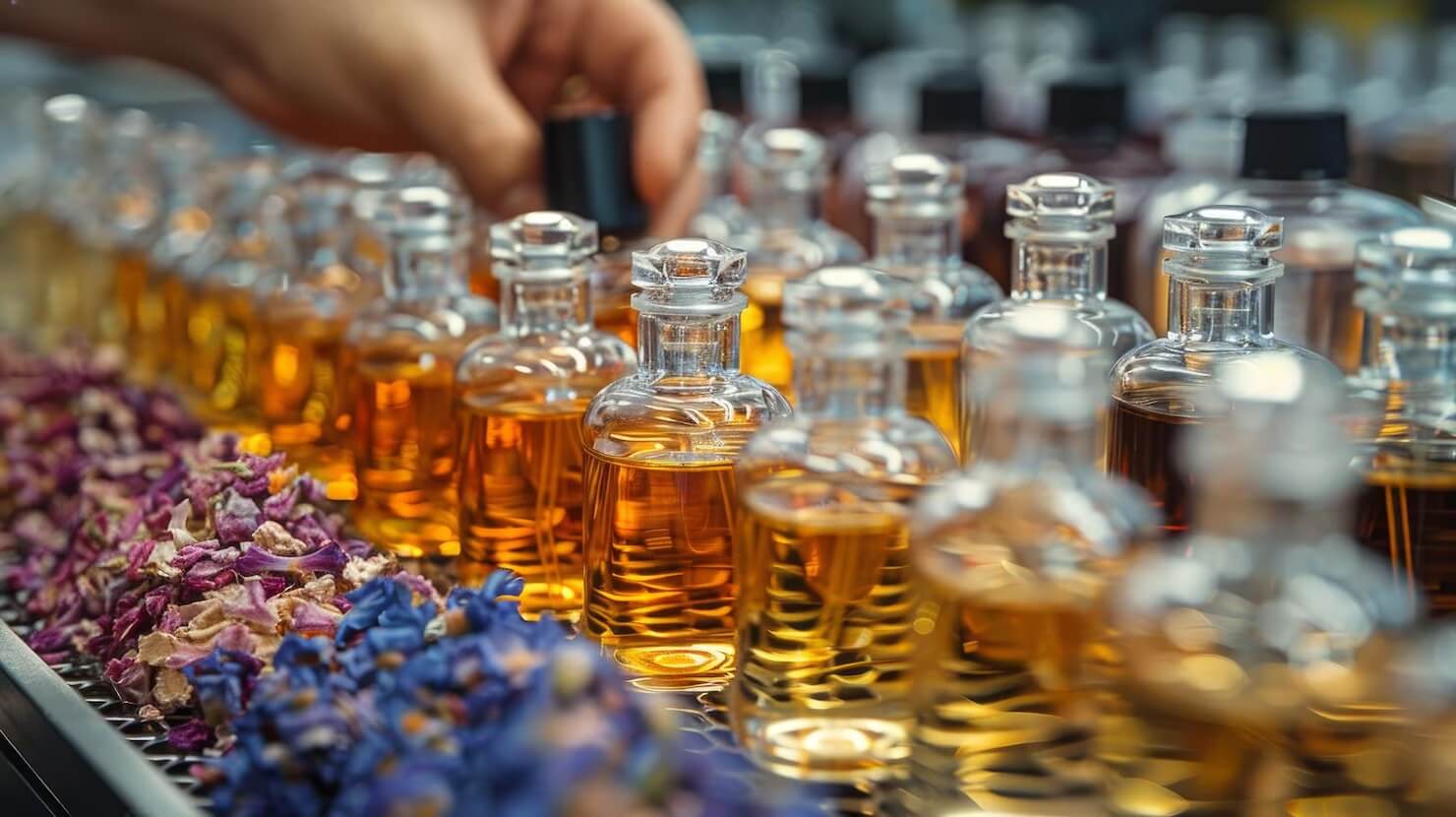
Once the fragrance is ready, it goes through testing. It is checked on different skin types, in different weather, and over time to ensure it smells perfect everywhere. After approval, the fragrance oils are mixed with alcohol and water, then left to rest for a few weeks. This process, called maceration, makes the perfume smooth and balanced.
The final step is packaging. The design of the bottle and box is just as important as the scent itself, because it adds to the luxury and experience of wearing perfume.
The Personal Touch
Every perfume smells slightly different on each person because of skin chemistry and body temperature. That is why finding your perfect perfume is such a personal and unique journey.
Conclusion
The art of perfumery is a mix of creativity, science, and passion. From the first spark of inspiration to the final elegant bottle, every step adds to the beauty of the fragrance. When you wear perfume, you are not just adding a scent—you are carrying a story with you.
At JDass, we believe every fragrance is an expression of individuality. Discover our collection and find the scent that tells your story.